
Screw jacks are mechanical linear actuators widely used for lifting, positioning, and load handling in industrial equipment. Selecting the correct screw jack type directly affects system efficiency, precision, and operational safety.
Two common types of screw jacks are ball screw jacks and lead screw jacks (trapezoidal screw jacks). While both convert rotary motion into linear motion, their internal structure and performance characteristics are significantly different.
Understanding these differences helps engineers and buyers choose the most suitable solution for their application.
What Is a Ball Screw Jack?
A ball screw jack uses recirculating ball bearings between the screw and the nut. These balls roll between the threads, replacing sliding friction with rolling friction.
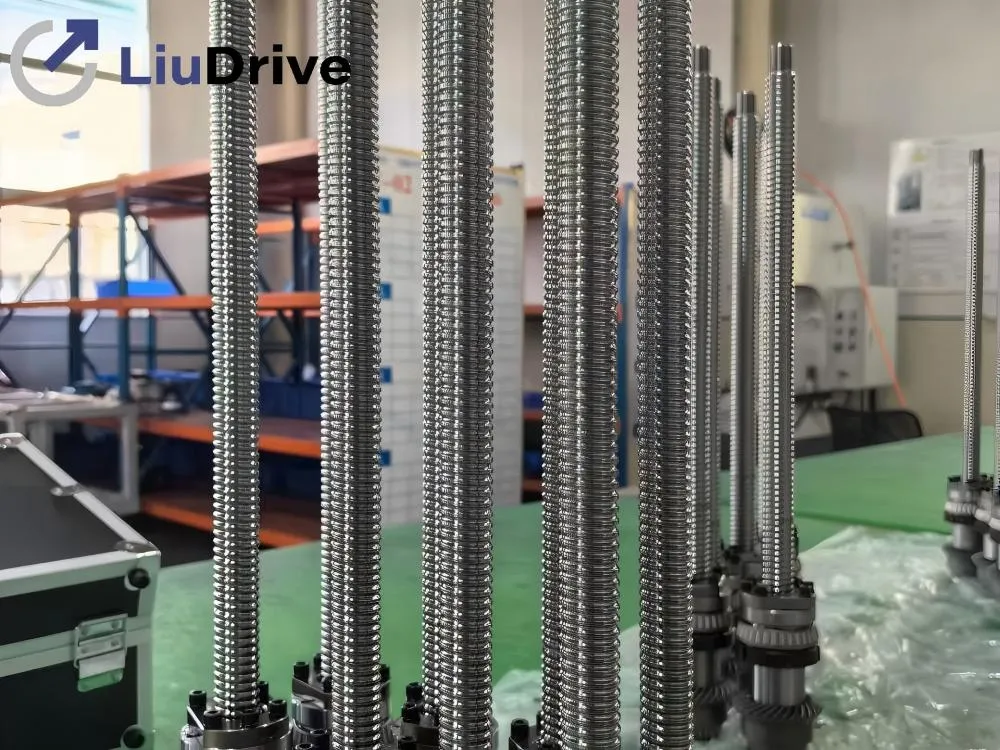
Key characteristics
- High efficiency (typically 85–95%)
- Low friction and lower driving torque
- Suitable for high-speed and high-frequency operation
- Excellent for precise positioning systems
Typical applications
- Automation equipment
- AGV and automated vehicles
- Precision positioning systems
- Robotics and CNC machinery
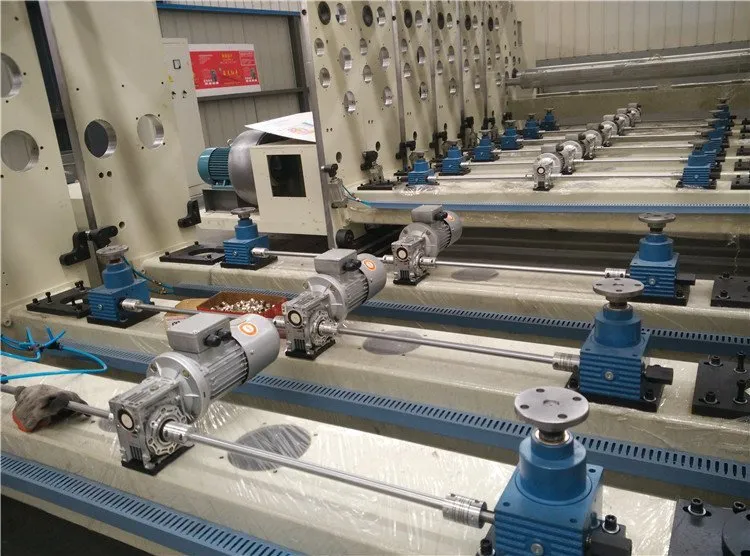
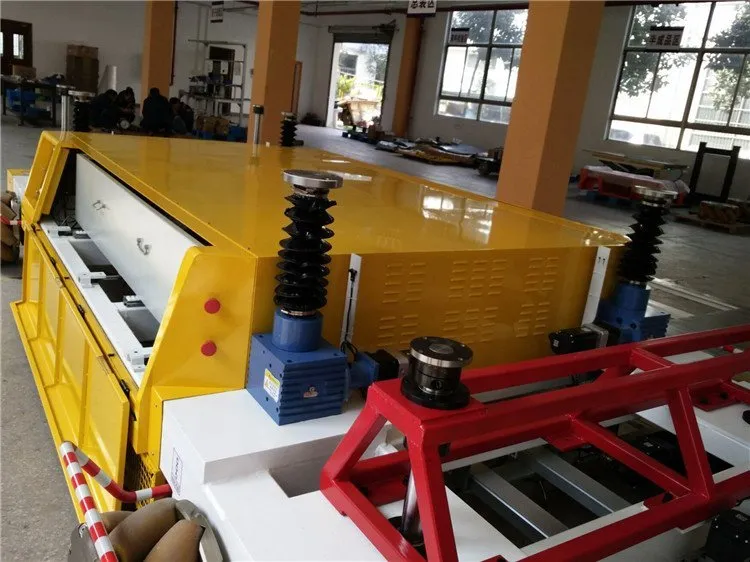
Because of the rolling friction mechanism, ball screw jacks require less input torque and can achieve higher speeds compared with traditional screw jacks.
What Is a Lead Screw Jack?
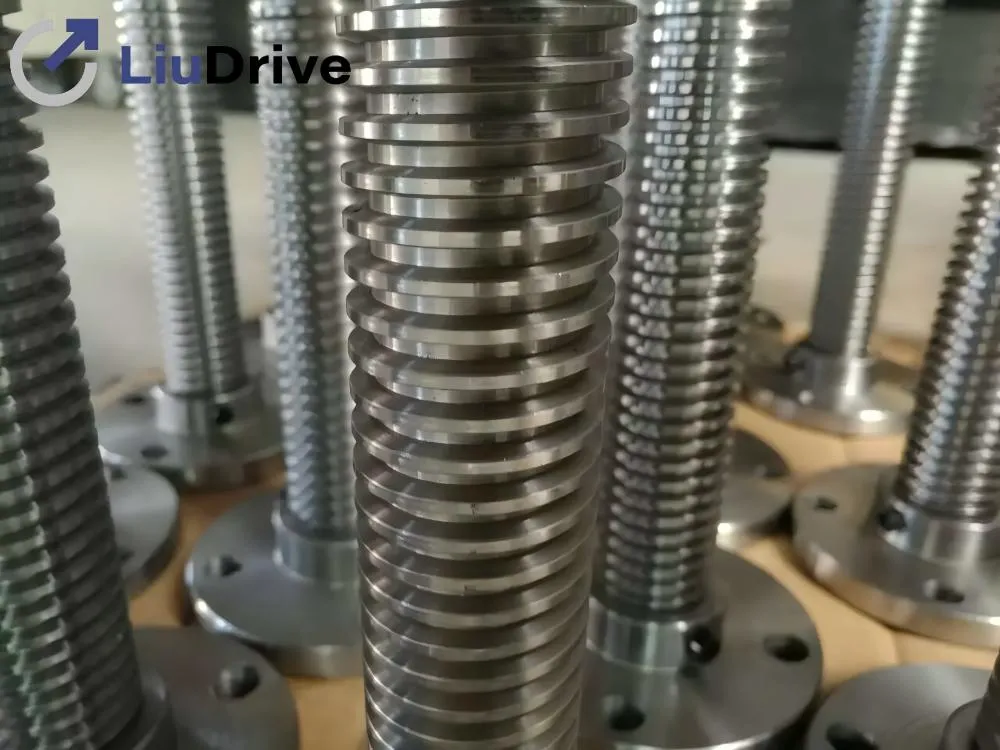
A lead screw jack (also called a machine screw jack or trapezoidal screw jack) uses direct thread contact between the screw and the nut.
Instead of rolling balls, the threads slide against each other to transmit force.
Key characteristics
- Efficiency typically 20–50%
- Self-locking capability in many designs
- High tolerance for shock loads
- Reliable in heavy-duty lifting applications
Typical applications
- Heavy lifting platforms
- Metallurgical equipment
- Stage lifting systems
- Industrial machinery
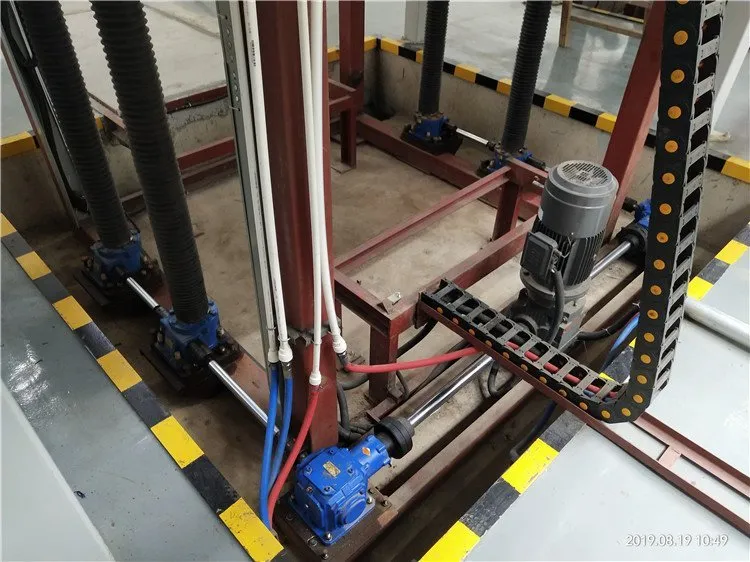
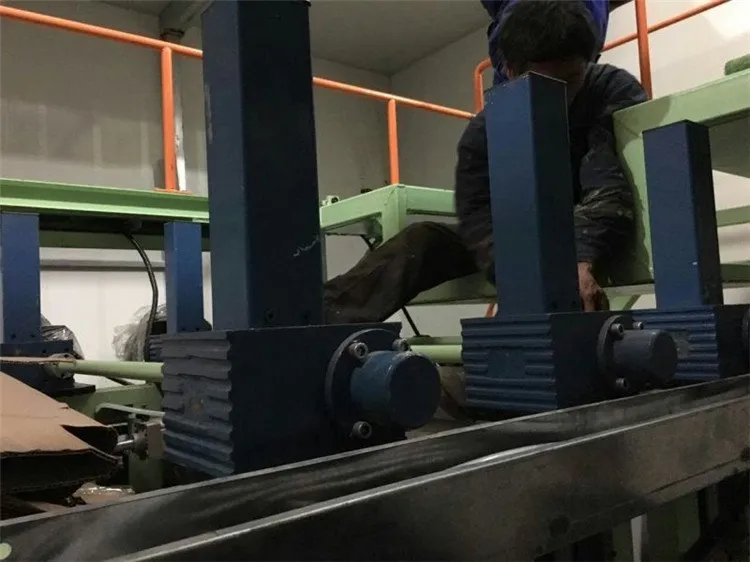
The self-locking feature allows the load to remain stationary when the motor stops, which improves operational safety in many lifting applications.
Ball Screw vs Lead Screw Jack: Key Differences
1. Efficiency and Speed
Ball screw jacks use rolling friction, resulting in much higher efficiency and allowing faster lifting speeds.
Lead screw jacks rely on sliding friction, which reduces efficiency but increases load stability.
General rule
- High speed → Ball screw
- Low speed heavy load → Lead screw
2. Load Capacity and Shock Resistance
Lead screw jacks typically handle higher shock loads and are more tolerant of occasional overload conditions.
Ball screw jacks must operate within their rated load capacity to avoid ball or thread damage.
3. Self-Locking Capability
Lead screw jacks often provide self-locking, meaning the load will not move when power is removed.
Ball screw jacks do not self-lock, so additional braking or safety mechanisms may be required if load holding is critical.
4. Precision and Positioning
Ball screw jacks provide higher positioning accuracy and smoother motion due to rolling contact.
Lead screw jacks offer sufficient precision for general industrial lifting but are typically used where extreme positioning accuracy is not required.
Ball Screw vs Lead Screw Jack Comparison Table
| Feature | Ball Screw Jack | Lead Screw Jack |
|---|---|---|
| Efficiency | 85–95% | 20–50% |
| Speed capability | High | Low to moderate |
| Self-locking | No | Yes (in most designs) |
| Precision | High | Moderate |
| Cost | Higher | Lower |
| Best use | Automation, precision motion | Heavy-duty lifting |
How to Choose the Right Screw Jack
When selecting a screw jack, consider the following factors:
1. Required Speed
If the application requires lifting speeds above ~30 mm/s, ball screw jacks are usually the better choice.
2. Load and Duty Cycle
For heavy loads with low operating frequency, lead screw jacks provide better durability and stability.
3. Positioning Accuracy
Applications requiring precise positioning generally benefit from ball screw jacks.
4. Safety Requirements
If the application requires self-locking without additional brakes, lead screw jacks are often preferred.
Conclusion
Both ball screw jacks and lead screw jacks have clear advantages depending on the application.
- Ball screw jacks are ideal for high-speed, high-precision automation systems.
- Lead screw jacks are better suited for heavy loads, lower speeds, and applications requiring self-locking.
Choosing the correct screw jack improves system reliability, reduces operating costs, and ensures safe operation.
If you are unsure which screw jack type fits your application, LiuDrive provides technical guidance to help match the right lifting solution to your working conditions.